


Getting children to sleep can be a daunting task.
Getting youngsters “on the spectrum” to sleep is that journey ON STEROIDS!
Melatonin, a natural supplement that helps induce sleep, has been in the recent news and has prompted this updated review.

Pineal Gland – Where Melatonin is Produced
What is Melatonin?
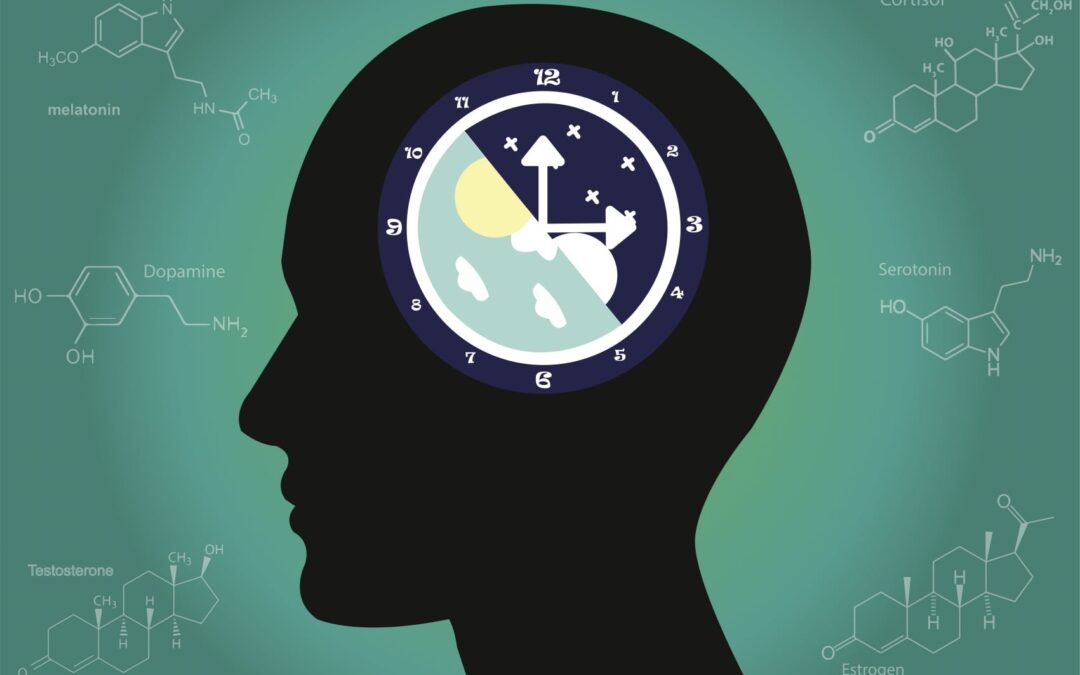
It is a chemical messenger, produced in the brain, that helps regulate our body’s sleep-wake rhythms.
PROS
 Melatonin is readily available, comes in a variety of preparations, and is inexpensive.
Children at The Child Development Center experience a high success rate in decreasing sleep latency – the time it takes for the child to fall asleep, which should typically be less than half 1/2 hour.
This synthetic supplement has been considered safe for many years, as evidenced by many clinical studies:
Melatonin Supplementation for Children With Atopic Dermatitis and Sleep Disturbance: A Randomized Clinical Trial
Effects of melatonin on cardiovascular diseases: progress in the past year
Melatonin Well-Tolerated Sleep Aid In Children With Autism
Let There Be Light and Melatonin
Autism Spectrum Disorder (ASD): Disturbance of the Melatonin System and Its Implications
CONS
“It’s a hormone.” Hormones are our body’s chemical messengers, and there are many. Insulin is a hormone that regulates blood sugar levels, for example. It appears that, in many of the versions of autism that I see in my practice, the body experiences either under- or overproduction of any number of hormones.
“I don’t want my child to get addicted.” This is a naturally occurring supplement. Compared to most other treatments that parents are asked to administer to their affected child, you can discontinue it anytime.
“I heard that if you give melatonin, your body will not make it, and so the problem will continue.” There are feedback loops associated with specific hormones, such as testosterone and estrogen. But melatonin is produced in the pineal gland – in the very center of our brains – and plays a key role in the body’s circadian rhythm. Regulation is related to light exposure, sleep deprivation, time-zone variations, and overall state of health.
“My child gets to sleep OK, but he wakes up in the middle of the night.” This can definitely be a problem. Occasionally, a dosage increase is successful. The long-acting preparations may alleviate this issue. Sometimes, adding Benadryl later in the night helps.
“What are the side effects?” Sometimes, at the onset of this therapy, there is actually a sleep disturbance characterized by apparently vivid dreams. I think of it as similar to a neurotypical person who suffers from sleep deprivation, then subsequently suffers nightmares and the like. Also, there are previously toilet-trained children who experience nighttime bedwetting. I’m not sure if they are undergoing some well-needed deep sleep, are detoxifying their systems, or it’s just peculiar to specific autistic individuals. Excessive melatonin intake can cause daytime sleepiness, dizziness, and headaches. Also, there are some drug interactions and medical conditions that could affect melatonin usage, so please check with your doctor and tell him or her if you are giving your child this therapy.
A recent study has linked melatonin to an increased risk of heart failure. Is that something to worry about? The patients were over eighteen years old, had taken the supplement for over a year, and the cause-and-effect relationship could not be proven.
There are relatively few non-pharmacological options when parents are faced with offspring who refuse to go to sleep. Caretakers should consider melatonin as a valuable, proven biomedical intervention that doesn’t require professional evaluation and has reliable results. It is best given approximately 30 minutes before the desired sleep time. Doses of 1 to 3 milligrams should be administered at approximately the same time each night to enhance the body’s rhythms. Once it is working, reducing the dose may alleviate the concern about long-term use.
Did you ever get out of bed after a poor night of sleep and feel ready to seize the day? Perhaps you became cranky, had problems focusing or over-reacted to otherwise innocent remarks? Oh, and by the way, if your child sleeps better, so will you, and EVERYBODY’S stress level will be lowered.